This is a version of Documents Ready To Sign Scam in Credential Harvesting.
Fake SharePoint shared documents page that asks for your email password to download business files
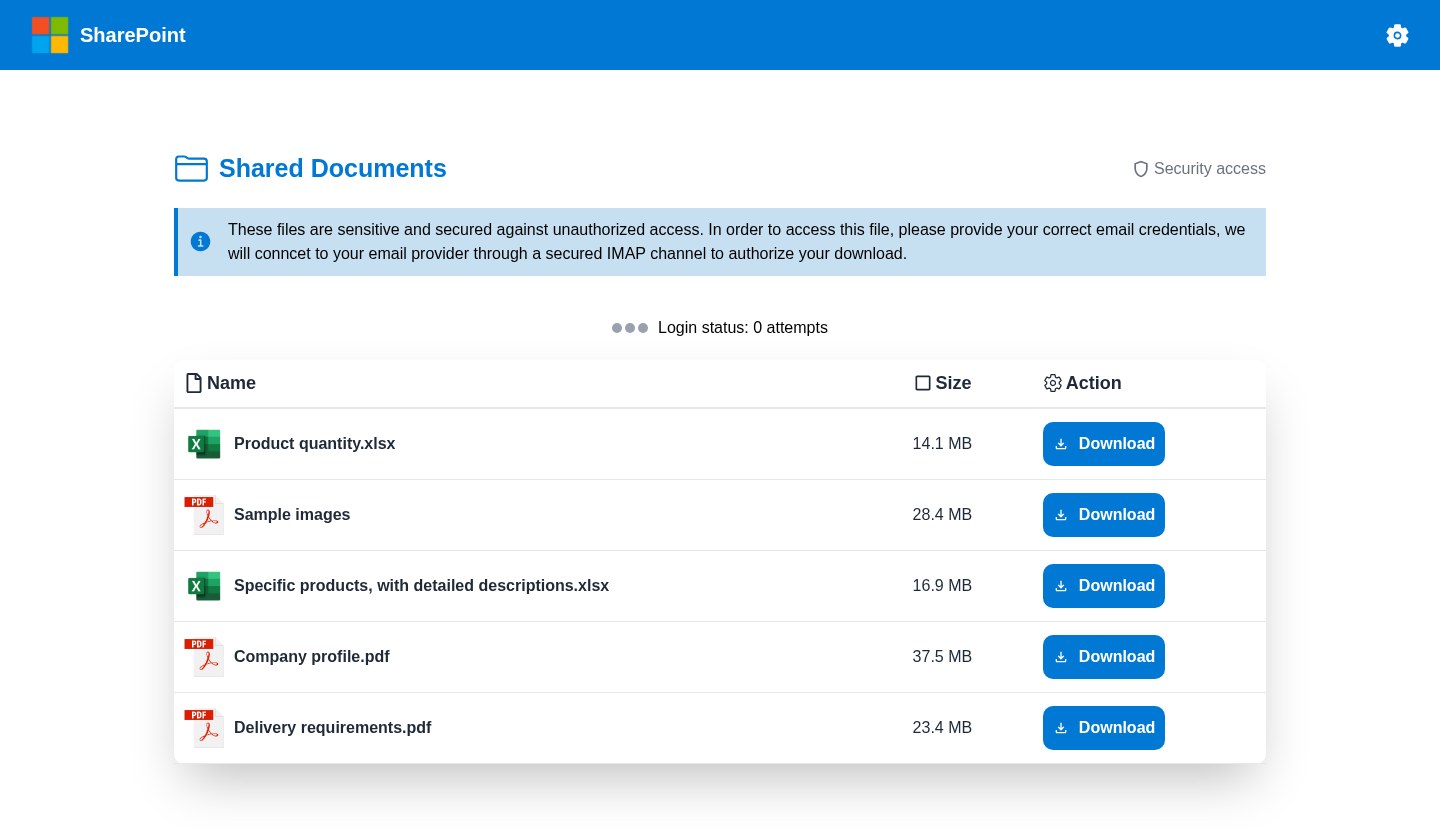
A page styled as Microsoft SharePoint shows a "Shared Documents" folder with five business files, such as product spreadsheets, a company profile and delivery requirements, each with a blue Download button. A notice above the files says they are "sensitive and secured" and that to open them you must "provide your correct email credentials" so the page can connect to "your email provider through a secured IMAP channel". It was first observed in India on November 2, 2026, at arch-zhp[.]pages[.]dev, a free Cloudflare Pages address that does not belong to Microsoft, and was seen three times that day.
What’s different in this version
These traits set this message apart from the usual pattern.
-
There is no document to sign. The lure is a set of order files from a supposed buyer or supplier: "Product quantity.xlsx", "Sample images", "Specific products, with detailed descriptions.xlsx", "Company profile.pdf" and "Delivery requirements.pdf", with sizes from 14.1 MB to 37.5 MB. This points at people in sales, purchasing or logistics who expect files like these.
-
The page does not ask for a Microsoft account. It asks for the password of whatever email account you use, and gives a technical-sounding reason, an "IMAP channel", for needing it. Real file sharing never needs your email password.
-
A "Login status: 0 attempts" line sits above the files, which suggests the page keeps count of the passwords typed in.
-
The notice misspells "connect" as "conncet".
-
The page is on arch-zhp[.]pages[.]dev, a free Cloudflare Pages address. It was seen three times within about two minutes on November 2, 2026, all in India.
-
The password box that appears after a Download button is clicked, and where the details are sent, were not captured. How the link reached the person who found it was not recorded.
Other variations of this scam
Other reported versions of this scam.
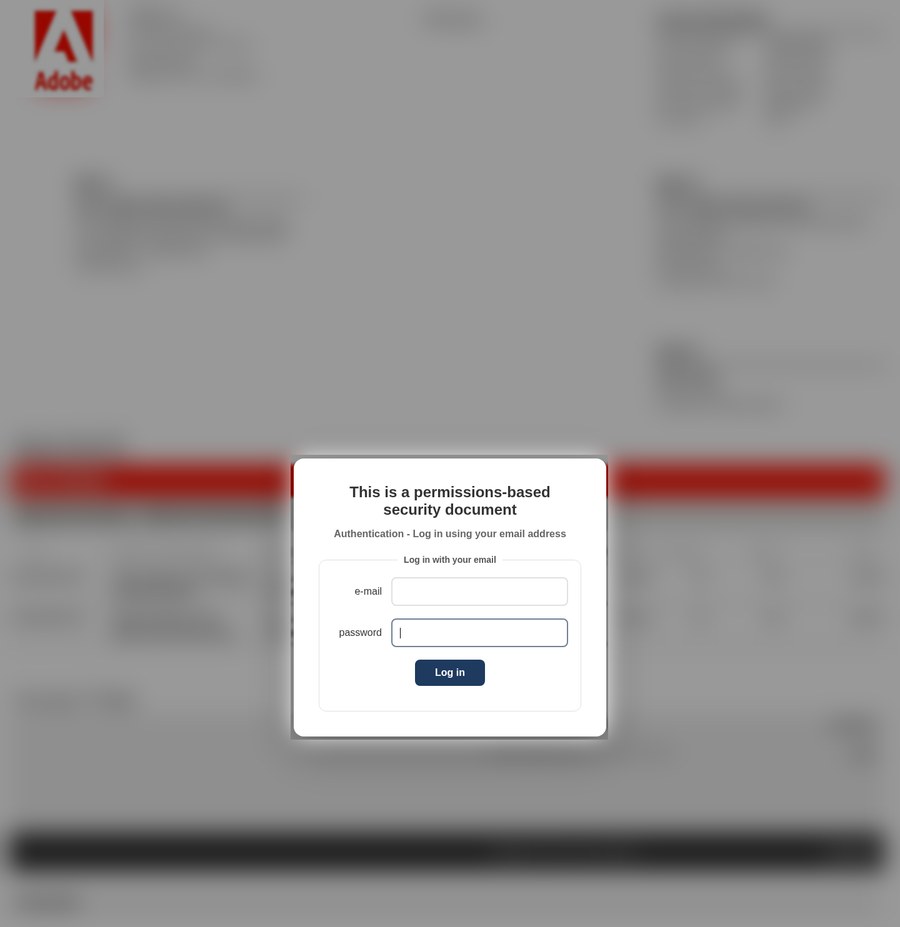 Blurred Adobe invoice behind a login box that asks for your email passwordUnknown · 2026-10-31A page titled "Invoice Portal" shows a blurred Adobe invoice in the background, with an amount due, an agreement number and payment instr...
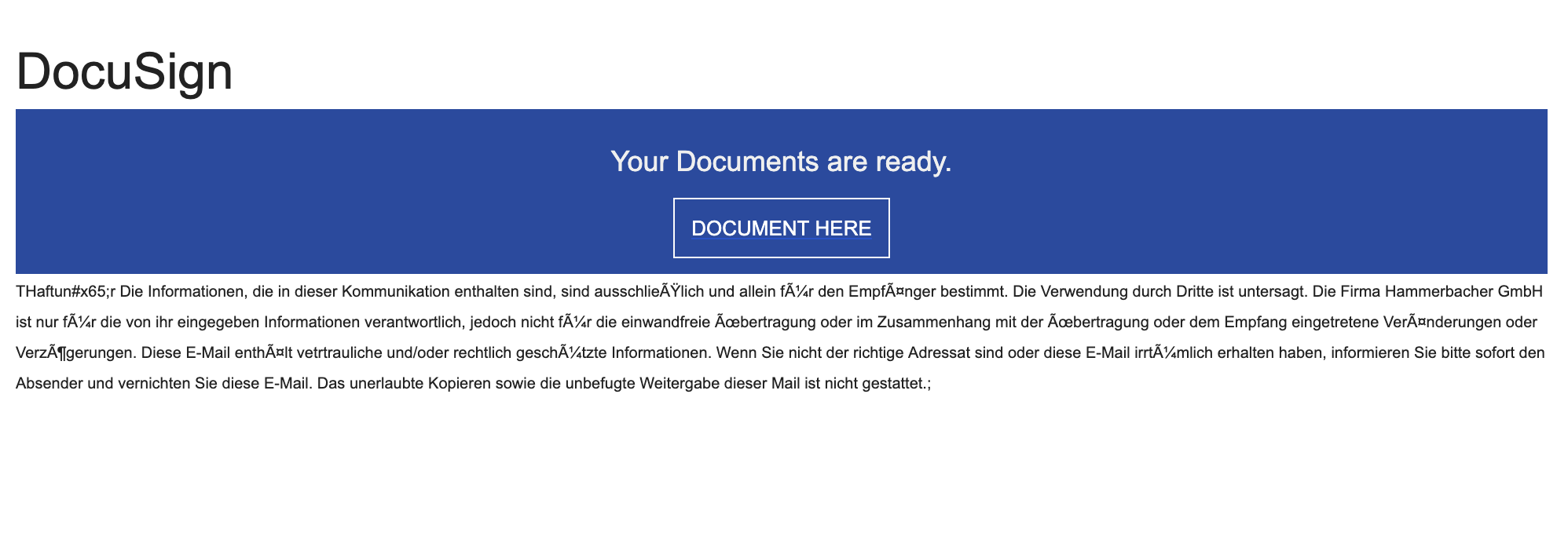 Fake DocuSign 'Your Documents Are Ready' Email ScamEmail · 2025-10-09This email looks like a DocuSign notice saying a document is “Completed/Approved” and ready to sign. The “DOCUMENT HERE” button sends you...
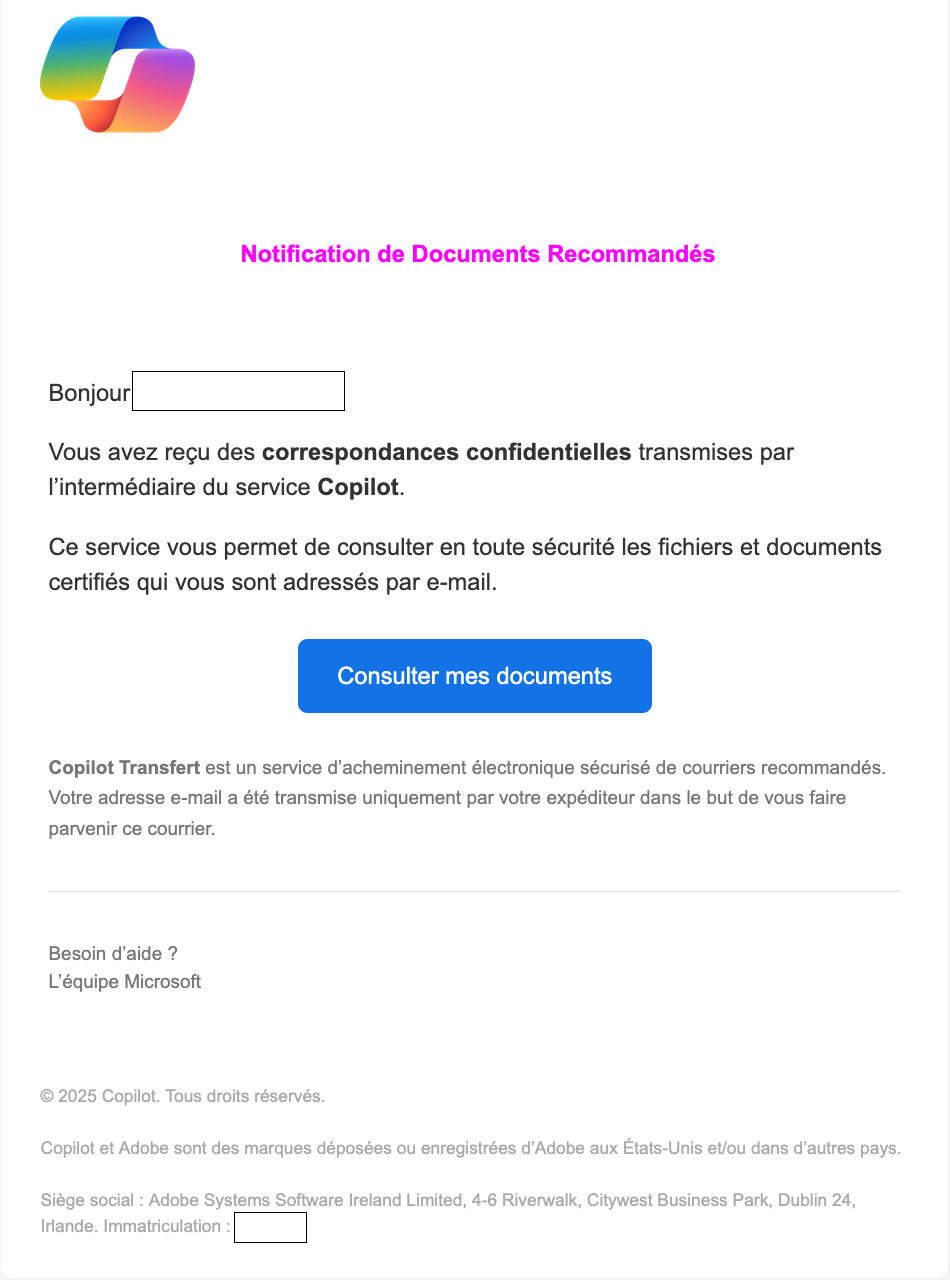 Fake Copilot Secure Document Notification Email (French & English)Email · 2024-06-07This scam variation targets users with an email in French (sometimes also found in English), claiming you have received confidential docu...
Related scams
Other patterns in the same category, or that share a brand with this report.
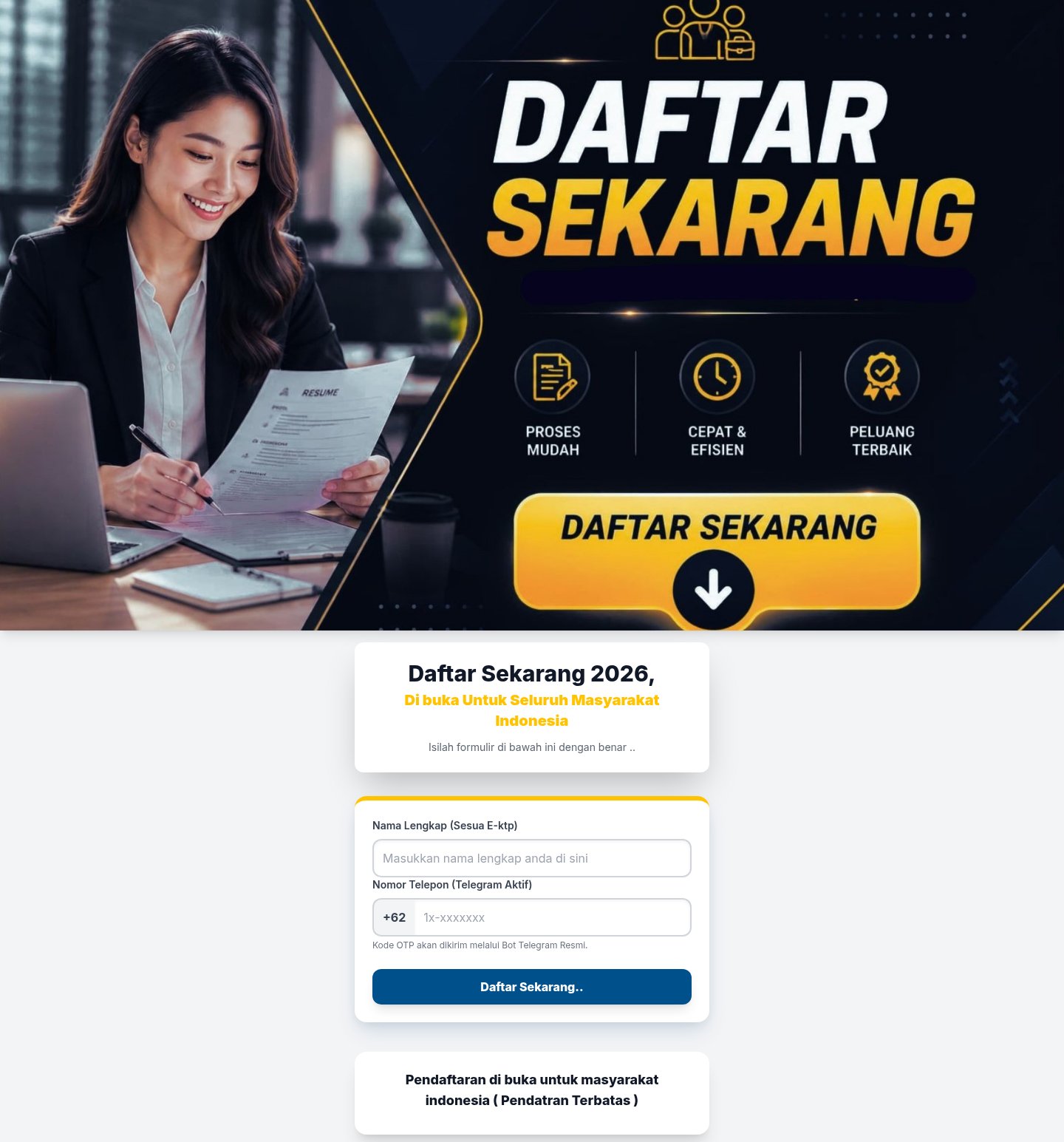 Messaging App Login Code Theft ScamCredential Harvesting · Added 2026-10-28A web page offers something you want, such as a place in a program, a job opportunity or a payout, and says you only need to register. To...
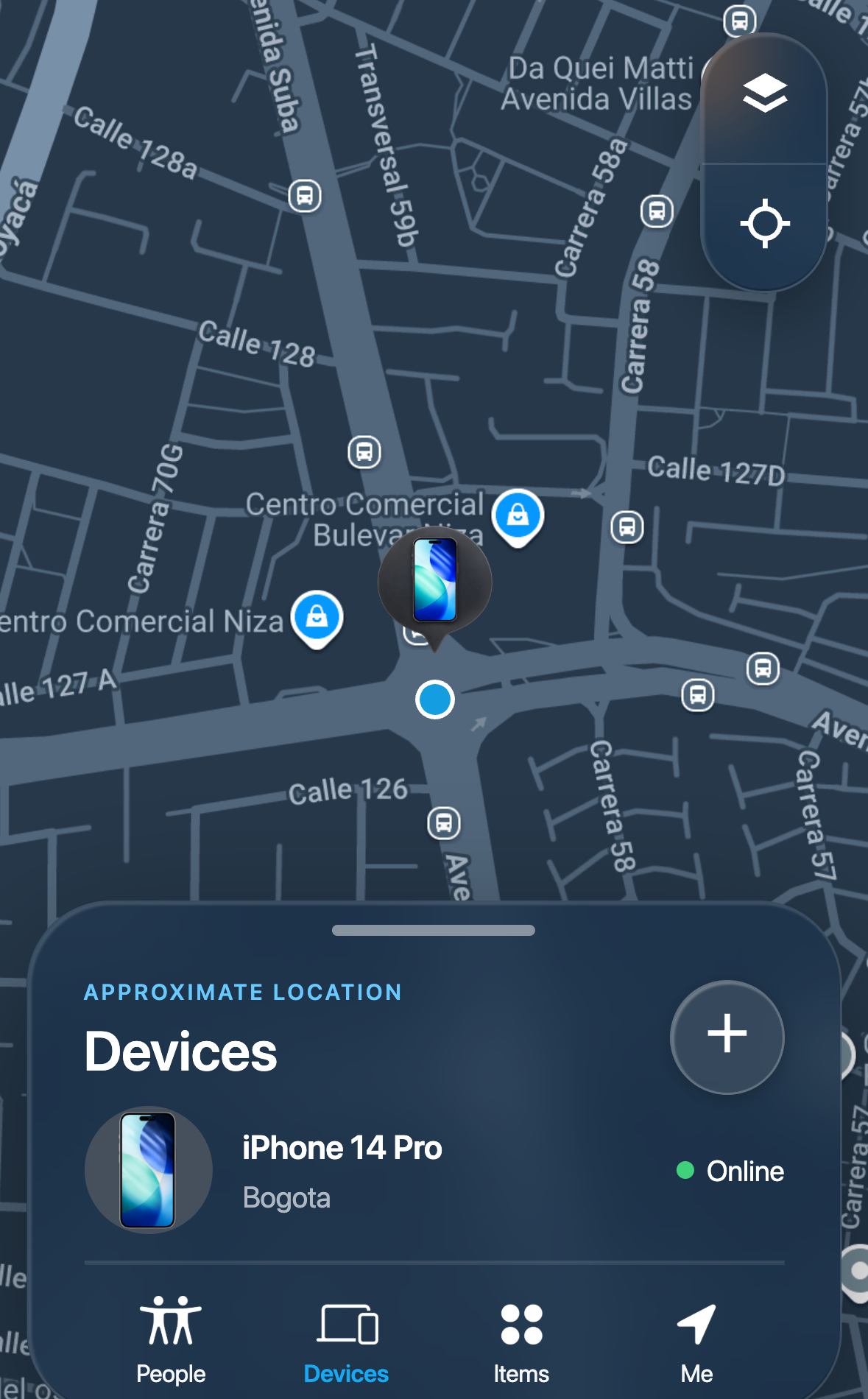 Lost Device Location Passcode ScamCredential Harvesting · Added 2026-09-16A message tells someone whose phone is lost or stolen that the device has been found, and links to a page that imitates a phone-finding s...
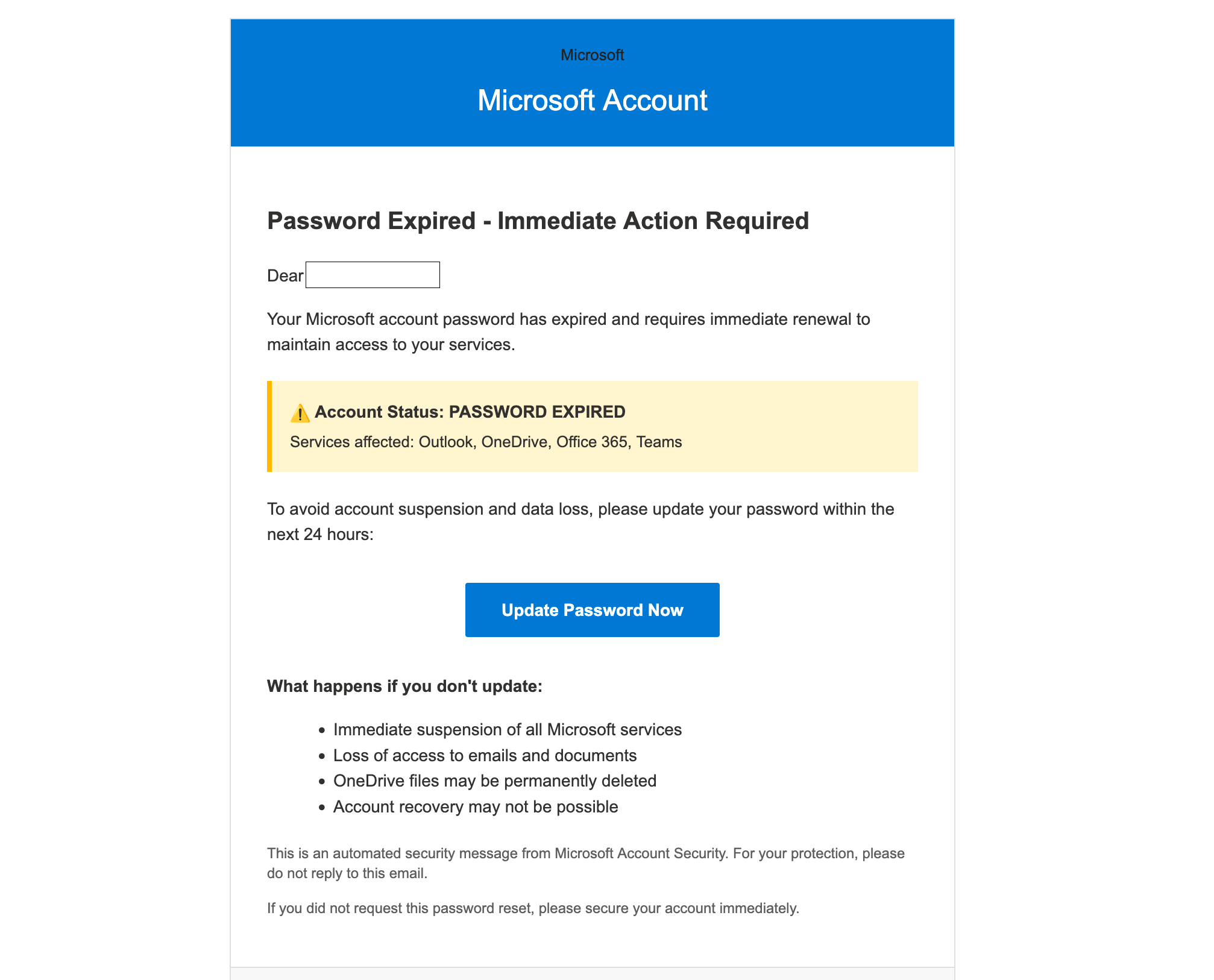 Microsoft Account Password Expired ScamCredential Harvesting · Added 2025-10-08You get an email that looks like it’s from Microsoft saying your password has expired and you must “Update Password Now” within 24 hours....
 School Email Account Deactivation ScamCredential Harvesting · Added 2024-06-06Scammers send emails pretending to be from a college or university IT department, warning students that their email account will be deact...
How this scam works
- 1
Step 1: An email claims a contract, invoice, or certificate is waiting for your signature.
- 2
Step 2: The email includes a button like “Review Document” or “View Documents.”
- 3
Step 3: The link leads to a fake login page (often Microsoft 365/Outlook or Google) on an unrelated website.
- 4
Step 4: If you sign in, the scammers capture your password and may immediately try it on your email and other accounts.
- 5
Step 5: Once in your inbox, they can reset passwords, read messages, and send new scams to your contacts.
✓ Do this
- Open DocuSign or your e‑signature account by typing the official website address yourself (e.g., docusign.com).
- Call or text the sender using a number you already know to confirm they sent the document.
- Hover over links to check the real web address before clicking. It should match the real service (e.g., docusign.com).
- Turn on two‑factor authentication (2FA) for your email and work accounts.
- Report suspicious emails to your IT/help desk or email provider.
- If you clicked and entered a password, change it immediately and sign out all sessions.
✗ Avoid this
- Don’t open unsolicited documents or links.
- Don’t click “Review” or “Sign” on unexpected emails, especially for payments or certificates.
- Don’t enter your password on a page you reached by clicking a link in an email.
- Don’t trust senders whose email ends in the wrong company domain (for example, not @docusign.com).
- Don’t ignore small web address changes (e.g., random domains like example.live or misspellings).
Verbatim excerpts from the scam
Exact lines from emails or messages—searchable text so you can compare wording.
- 1 Excerpt 1Shared Documents
- 2 Excerpt 2These files are sensitive and secured against unauthorized access. In order to access this file, please provide your correct email credentials, we will conncet to your email provider through a secured IMAP channel to authorize your download.
- 3 Excerpt 3Login status: 0 attempts
- 4 Excerpt 4Product quantity.xlsx
- 5 Excerpt 5Specific products, with detailed descriptions.xlsx
- 6 Excerpt 6Company profile.pdf
- 7 Excerpt 7Delivery requirements.pdf
- 8 Excerpt 8Download