Impersonation / Social Media
Accounts or pages impersonating individuals or brands to defraud followers.
Below are real, recent examples from our archive. Use the filters to narrow by channel or search within this category.
Tip: If you didn’t expect a refund, invoice, or prize — pause and verify using a trusted website or phone number, not the link you received.See common red flags.
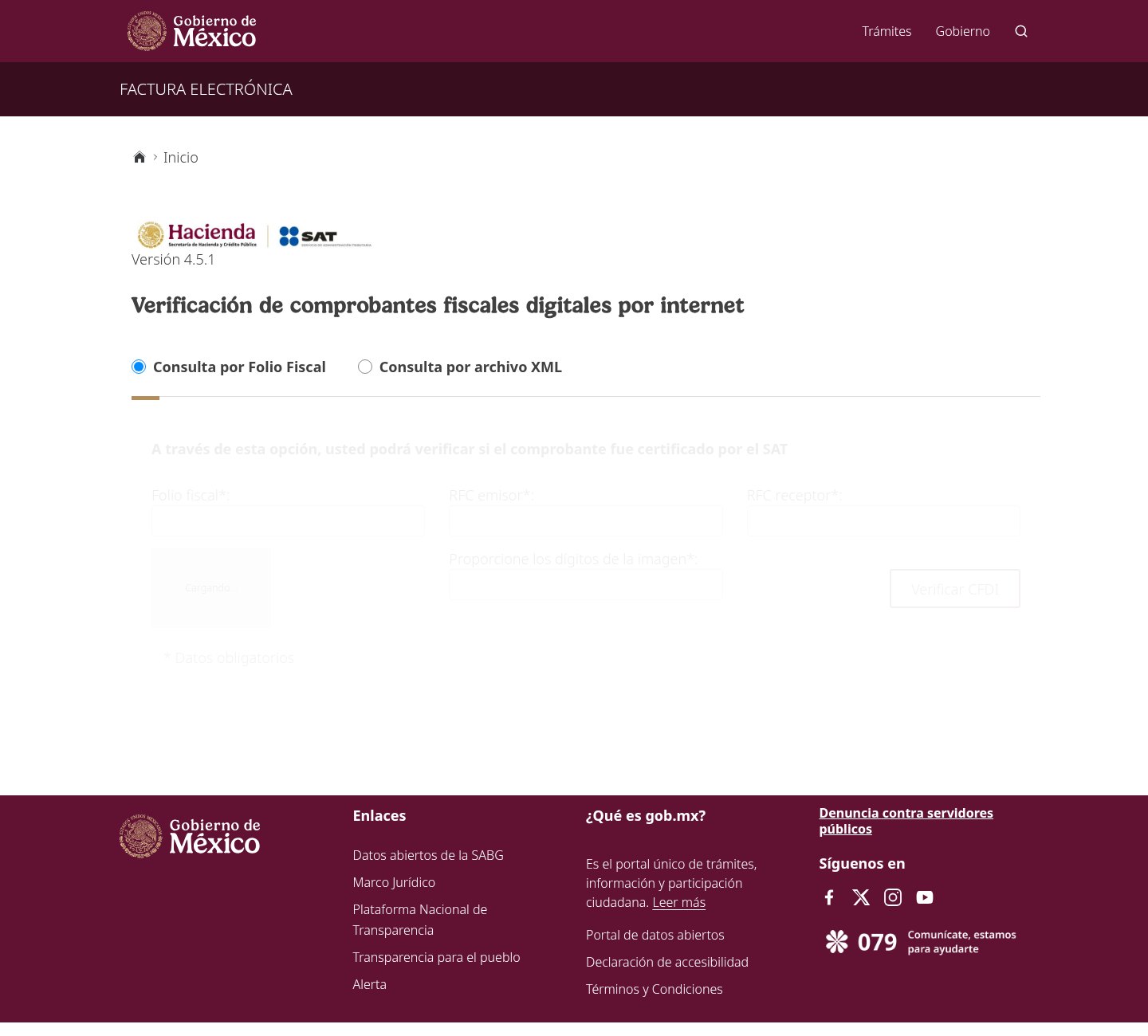
Fake Document Verification Portal Scam
A web page copies an official service that confirms whether a document, such as an electronic invoice or bill, is genuine. A forged document carries a QR code or link that points to the copy instead of the real service, so anyone who checks it sees a "verified" result. The person harmed is often the one doing the checking, such as a bank, landlord, employer or business paying a supplier.
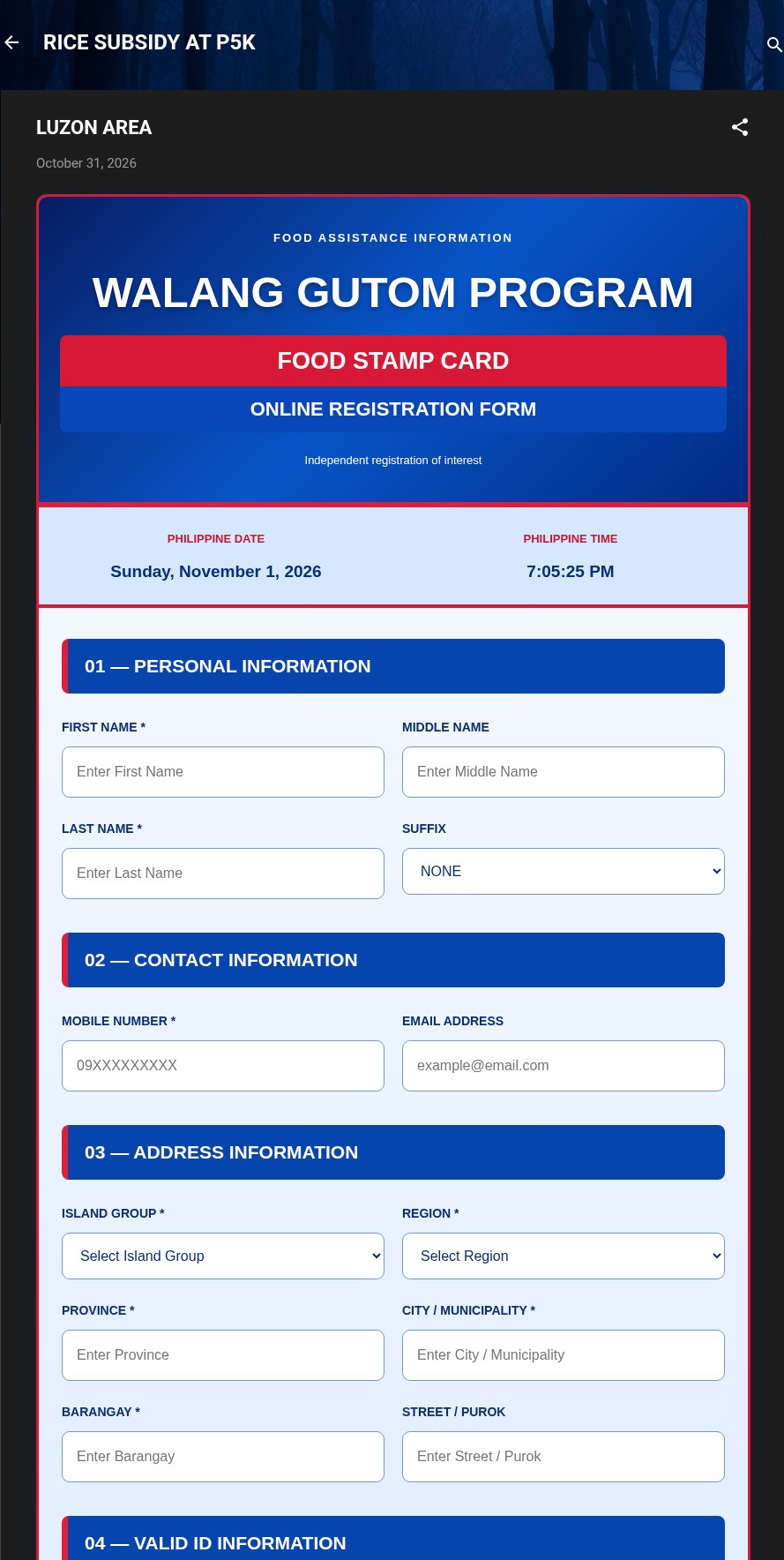
Fake Government Aid Registration Form Scam
A web page or blog post uses the name of a real government aid program and says you can register online for food aid, a subsidy or cash assistance. It shows an official-looking registration form that asks for your full name, mobile number, home address, ID type and household details. The page is not run by the government. It sits on a free blog or a new web address, and the details you type in can be collected and used to contact you with more scams.
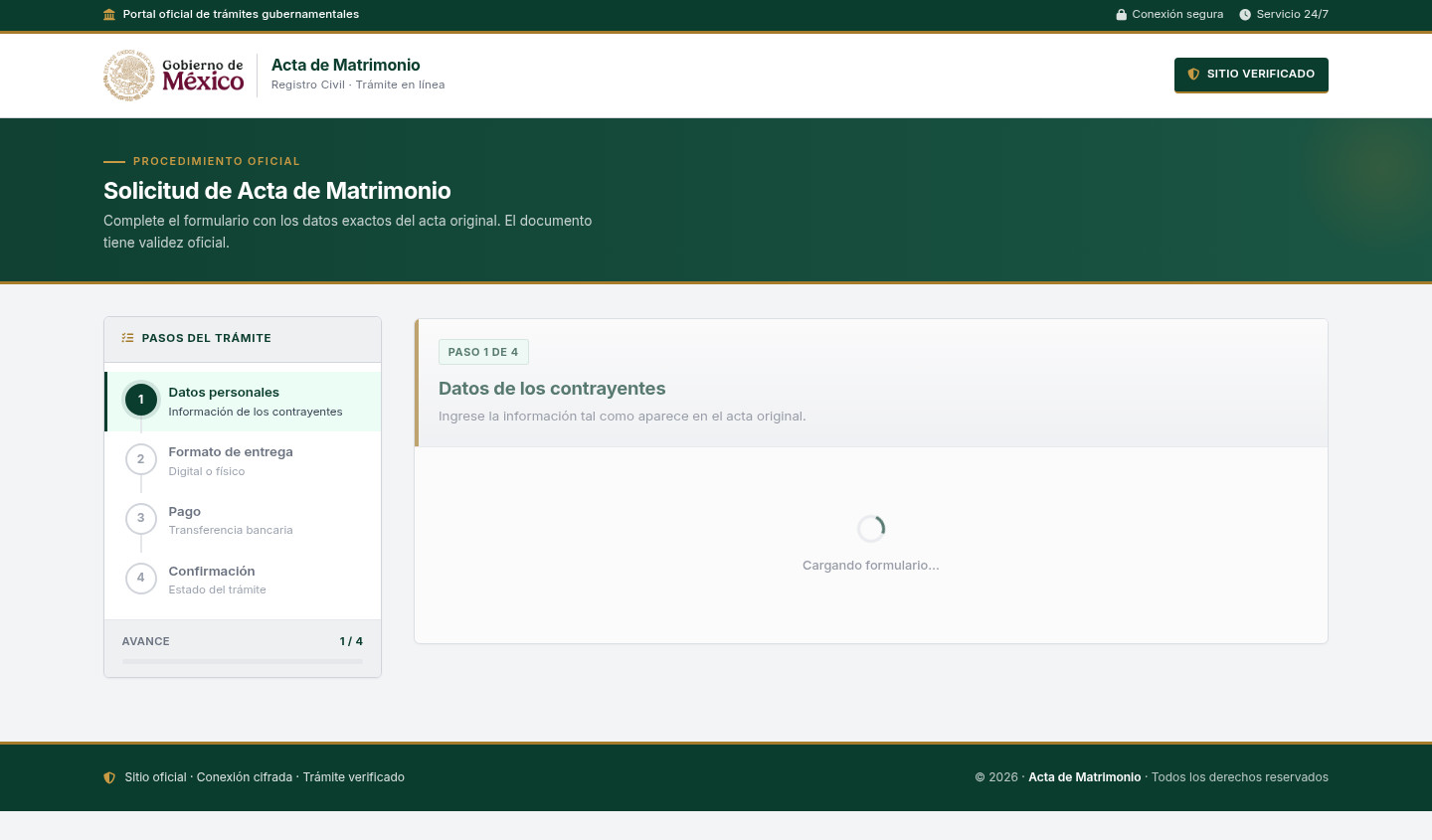
Fake Government Civil Document Application Scam
A web page copies a government civil-registry or official-document service. It asks for personal details about a civil record and directs payment, often by bank transfer. The page is not run by the government. Submitting details or paying through it does not establish that any official document will be issued.
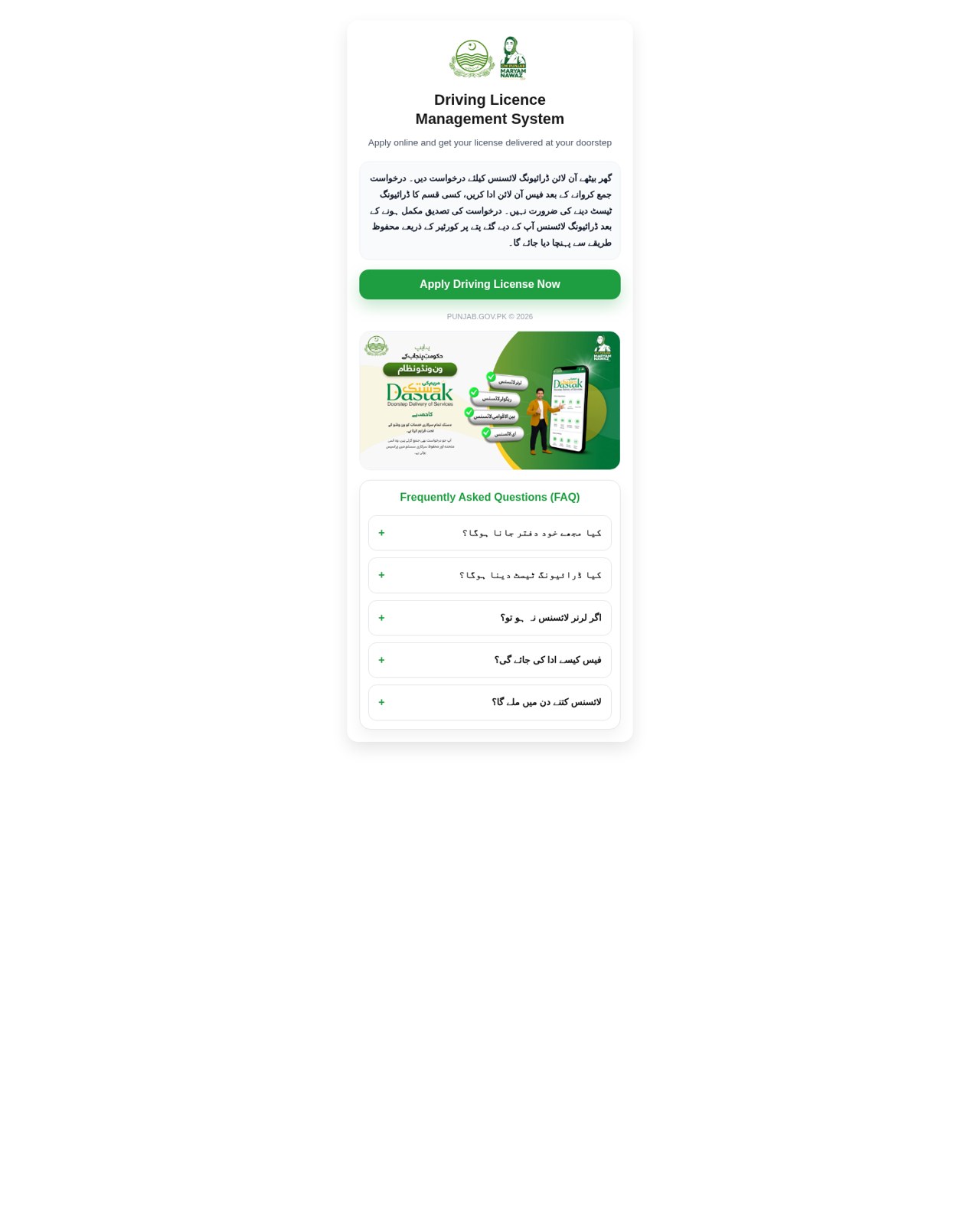
Fake Government Licence Application Scam
A web page copies a government driving-licence or vehicle-licence service. It promises a licence with little or no testing, asks for identity details and document uploads, and directs payment through a mobile wallet QR code or till number. The page is not run by the government. Submitting details or paying through it does not establish that a licence will be issued.
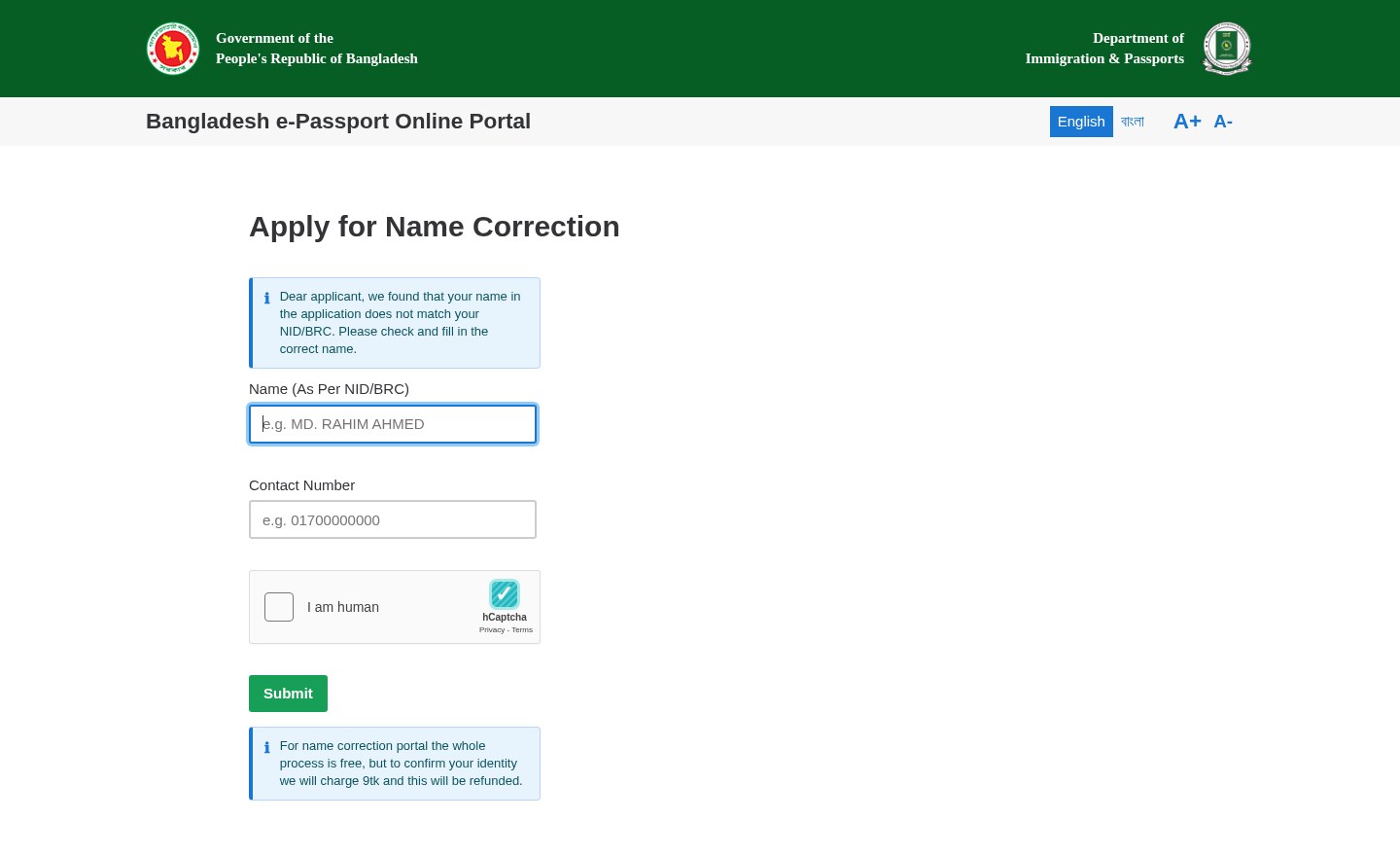
Fake Government Portal Refundable Fee Scam
A web page copies an official government service portal and claims there is a problem with an application or record. It asks for personal details and says the correction is free apart from a small identity-check fee that it claims will be refunded. The page is not run by the government. The claimed refund does not establish that a payment is safe or that any money will be returned. The documented variation does not establish a payment method or completed payment.
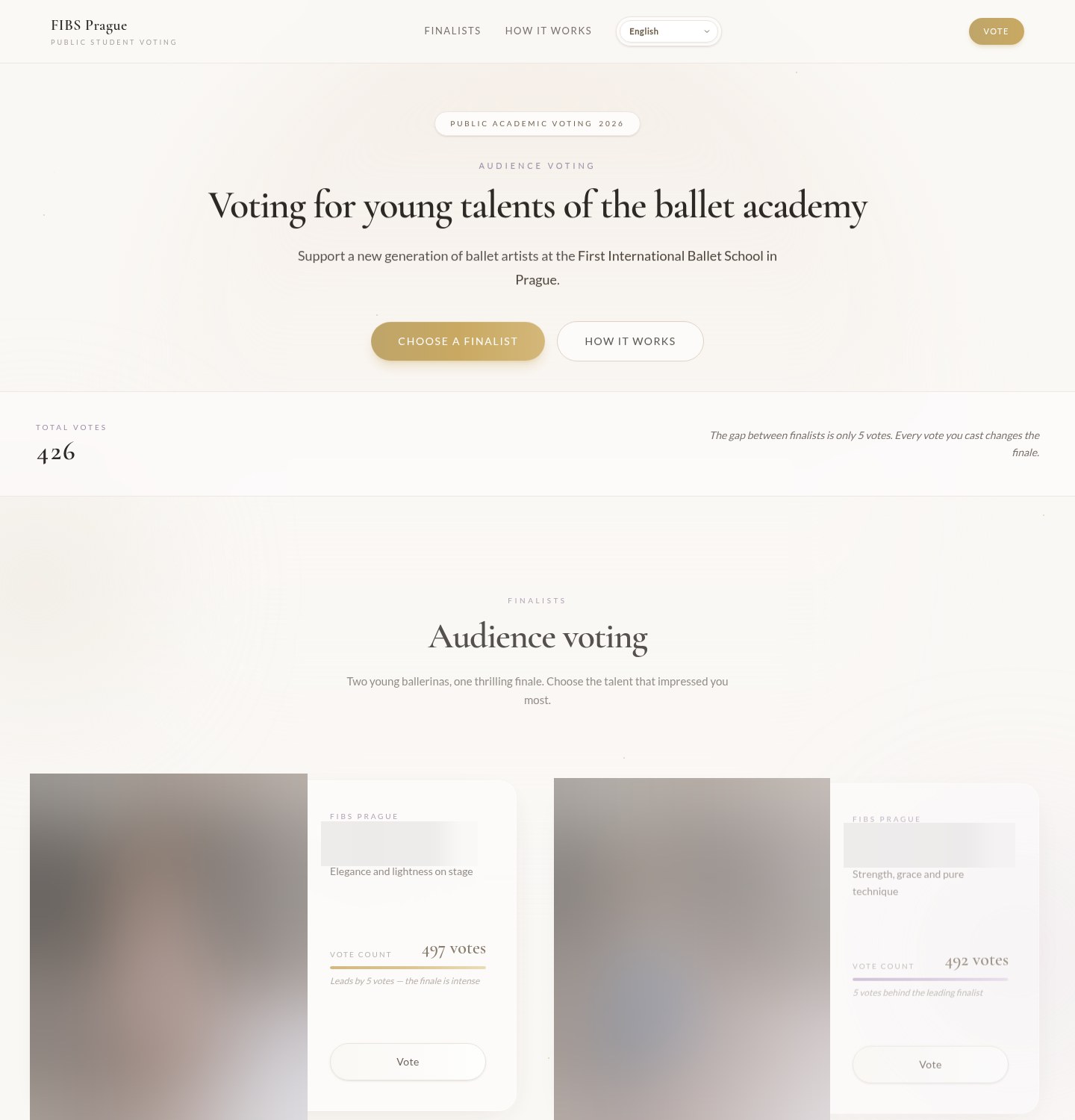
Fake Online Vote Verification Scam
A web page asks you to vote in a public contest, often for a child or young performer at a school, club or competition. It shows the finalists with photos and a vote count that is almost even, and says every vote changes the result. Before your vote counts, the page says it has to be verified. The page is not run by the school or organizer it names, and the same page is copied onto many new web addresses.
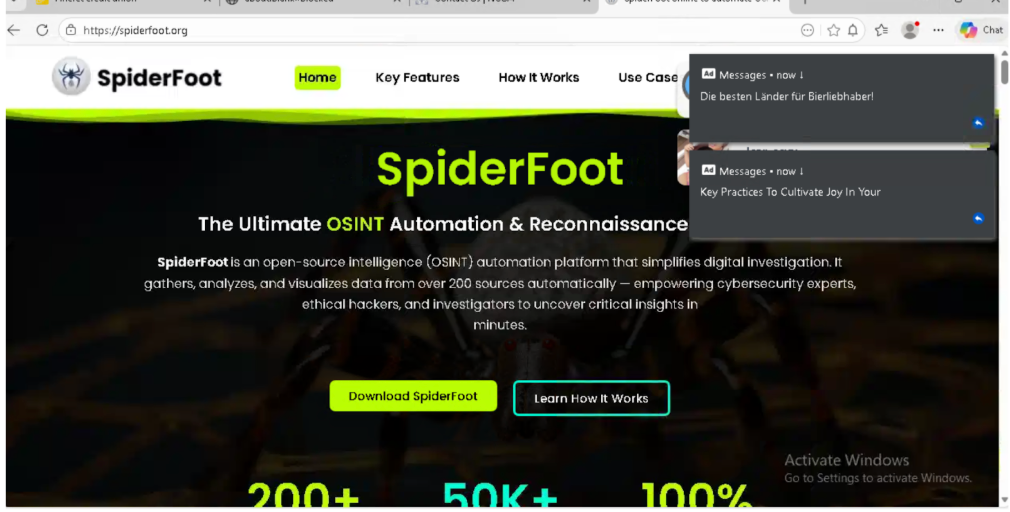
Fake Software Download Site Scam
Many people looking to download free or open-source software can accidentally land on fake websites that look almost like the real thing. These websites often appear high in Google or Bing search results, showing up when you search for a program by name. They may use the official logos, information, or even claim to be a resource for the software. However, if you try to download from these sites, you may be redirected to unrelated file-sharing platforms, bombarded with pop-up ads, or asked to log in using your Google or Facebook accounts. This puts you at risk of downloading harmful files or giving away your private account details. The real, safe downloads for software are typically provided only on the official project websites, especially for open-source projects, where the standard is to use recognized platforms like GitHub.
Not seeing your example in Impersonation / Social Media? Sharing real screenshots helps others spot the red flags faster.
Report a scam