Crypto Wallet / Exchange Impersonation
Fake crypto wallets, exchanges, or airdrops designed to steal private keys or funds.
Below are real, recent examples from our archive. Use the filters to narrow by channel or search within this category.
Tip: If you didn’t expect a refund, invoice, or prize — pause and verify using a trusted website or phone number, not the link you received.See common red flags.

Crypto Wallet Recovery Phrase Theft Scam
A website offers to back up, sync, protect or link your crypto wallet. To do it, it asks you to type in your wallet's recovery phrase (also called a seed phrase), private key or keystore file and password. Whoever has the recovery phrase or private key controls the wallet and can move the funds out. These sites often wrap the request in a story about a new financial system, a wallet upgrade or a security problem, and may pretend that an automatic wallet connection failed so you enter the details by hand.
Fake Cash App Payment Page Scam
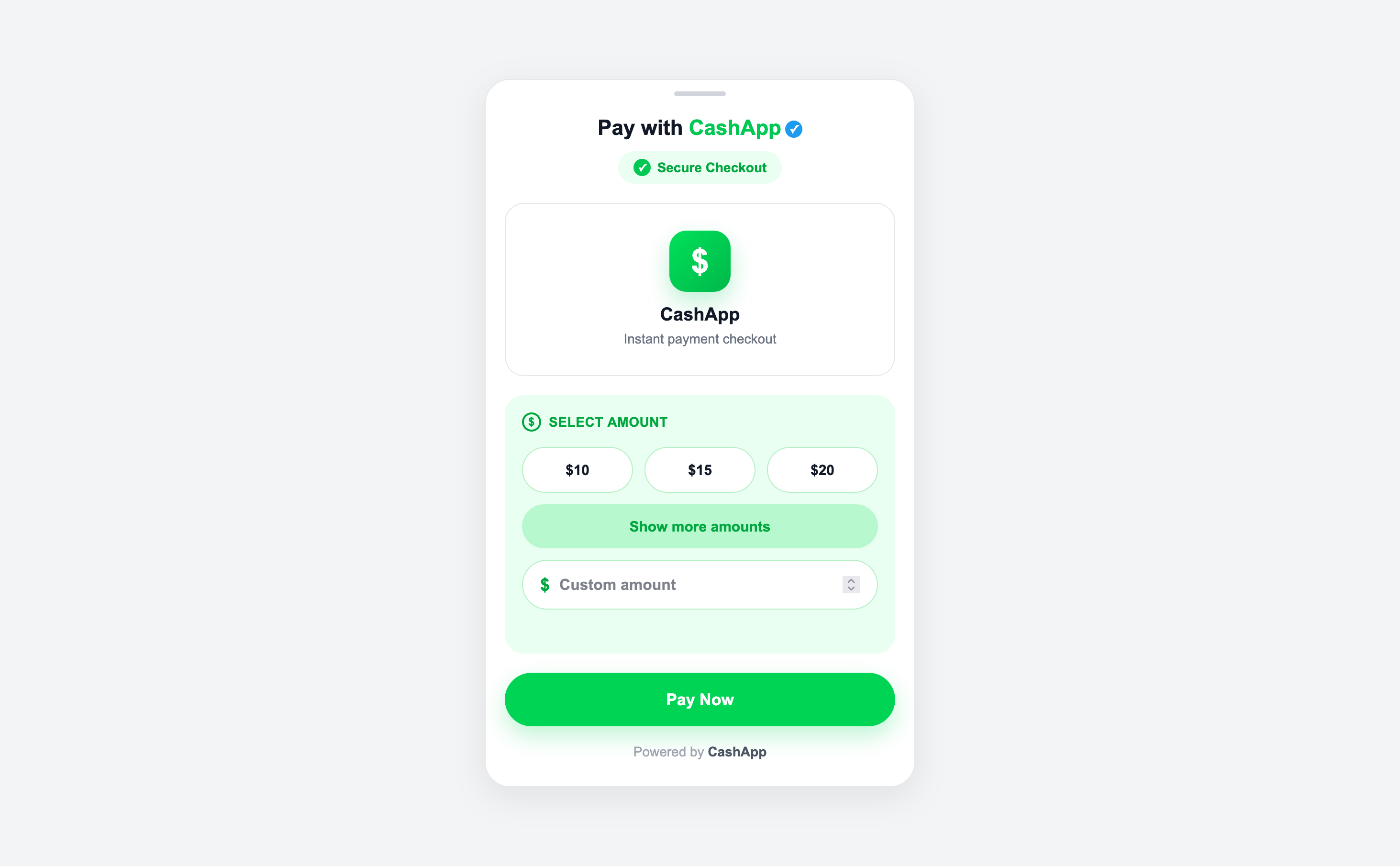
A website copies Cash App branding and presents a payment checkout outside Cash App's official domain. It offers fixed or custom dollar amounts, then creates a Bitcoin Lightning invoice and displays a QR code or payment button. The page can make an irreversible cryptocurrency payment look like a normal Cash App checkout. The Cash App name, green branding, and verification-style badge do not prove that the page is operated by Cash App or that a payment will go to a legitimate recipient.
Fake Cryptocurrency Transaction Proof Scam
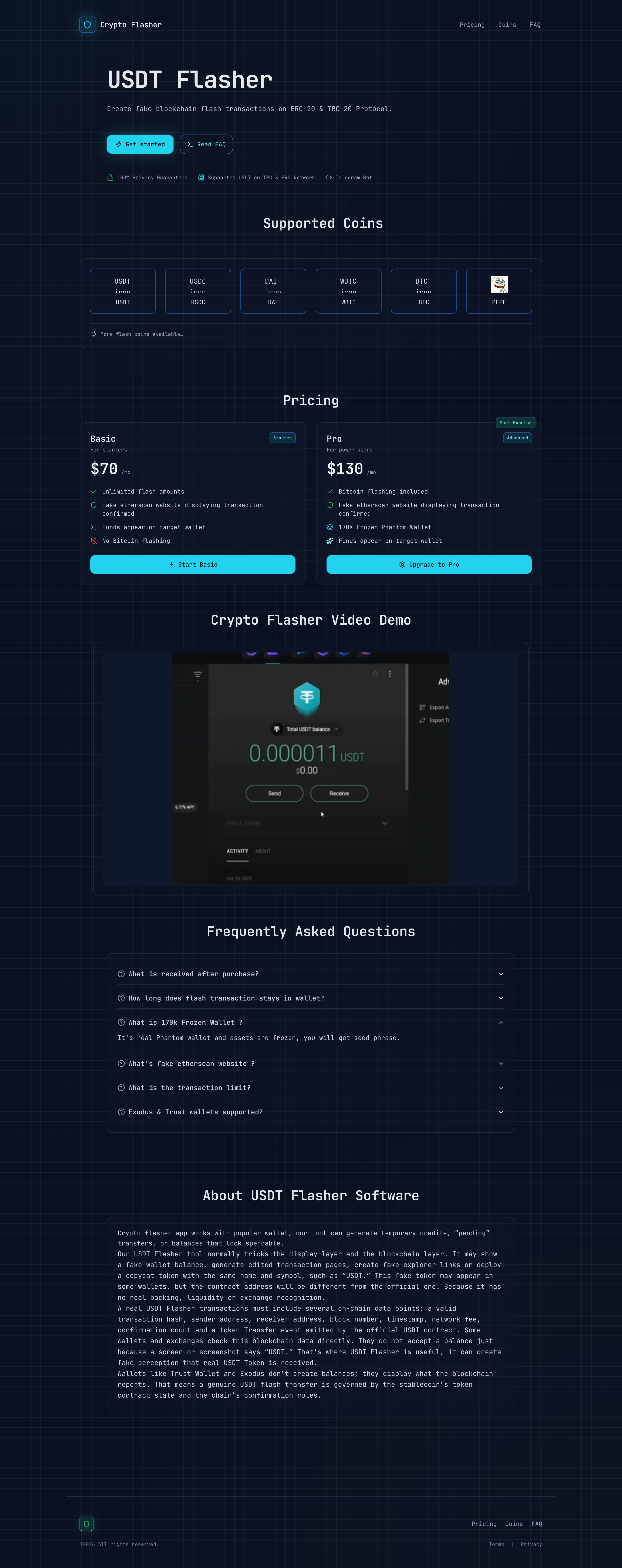
Some websites market tools that claim to create temporary or fake cryptocurrency transfers, fake wallet balances, or counterfeit blockchain-explorer pages. The advertised purpose is to make a recipient believe that cryptocurrency was sent or is pending when no genuine payment was confirmed on the blockchain. A person may use this false proof in a sale, loan, investment, or other payment conversation to obtain goods, money, or trust.
Not seeing your example in Crypto Wallet / Exchange Impersonation? Sharing real screenshots helps others spot the red flags faster.
Report a scam