Fake Cryptocurrency Transaction Proof Scam
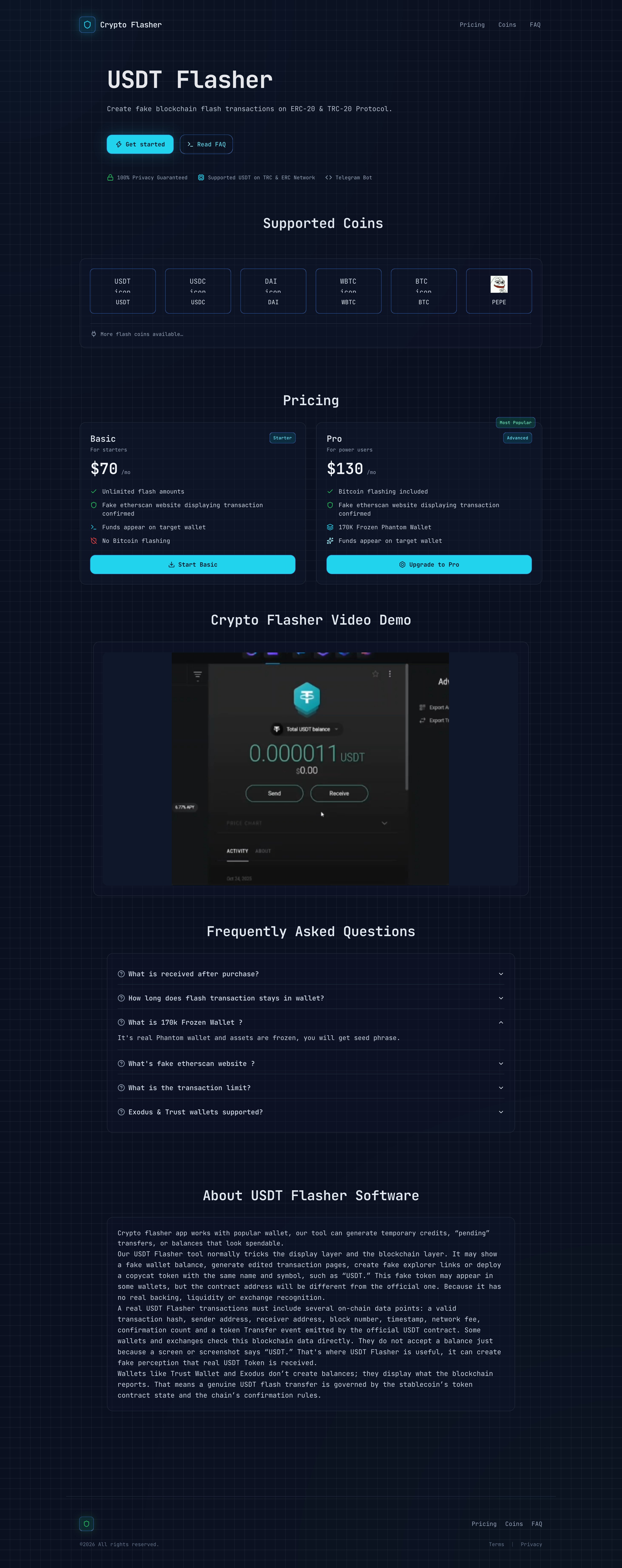
Some websites market tools that claim to create temporary or fake cryptocurrency transfers, fake wallet balances, or counterfeit blockchain-explorer pages. The advertised purpose is to make a recipient believe that cryptocurrency was sent or is pending when no genuine payment was confirmed on the blockchain. A person may use this false proof in a sale, loan, investment, or other payment conversation to obtain goods, money, or trust.
How this scam works
- 1
A website advertises software or a bot that can create a temporary-looking cryptocurrency balance, pending transfer, or transaction confirmation.
- 2
The operator generates a screenshot or link designed to resemble a real wallet or blockchain explorer. The display may use a familiar coin name and symbol even though it is not backed by the official token contract.
- 3
The operator shows the false balance or transaction to another person as evidence that payment was made or is processing.
- 4
The target is pressured to release goods, send money, provide a service, or continue a deal before checking the transaction independently on the correct blockchain and official token contract.
- 5
The apparent balance or transfer disappears, fails, or cannot be spent because it was never a genuine confirmed payment.
✓ Do this
- Verify a cryptocurrency payment independently using the correct blockchain explorer, transaction hash, sender address, recipient address, token contract, amount, and confirmation status.
- Wait for the payment to appear as confirmed in your own wallet or exchange account before releasing goods or sending anything in return.
- Treat screenshots, wallet displays, explorer links, and claims of a pending transfer as unverified until the blockchain record confirms them.
- If someone used a fake payment claim against you, save the messages, wallet addresses, transaction details, and website address, then report the incident to the marketplace, platform, or relevant authorities.
✗ Avoid this
- Do not release goods, cryptocurrency, or access based only on a screenshot or a link supplied by the other person.
- Do not assume a familiar coin symbol or token name proves that the asset is the official cryptocurrency.
- Do not connect your wallet, share a seed phrase, or pay for a tool that promises to manufacture transaction proof.
- Do not treat a pending or temporary balance as payment until the real network confirms it.
Different versions of this scam
0 examplesOther scams in Crypto Wallet / Exchange Impersonation
Other documented patterns in this category.
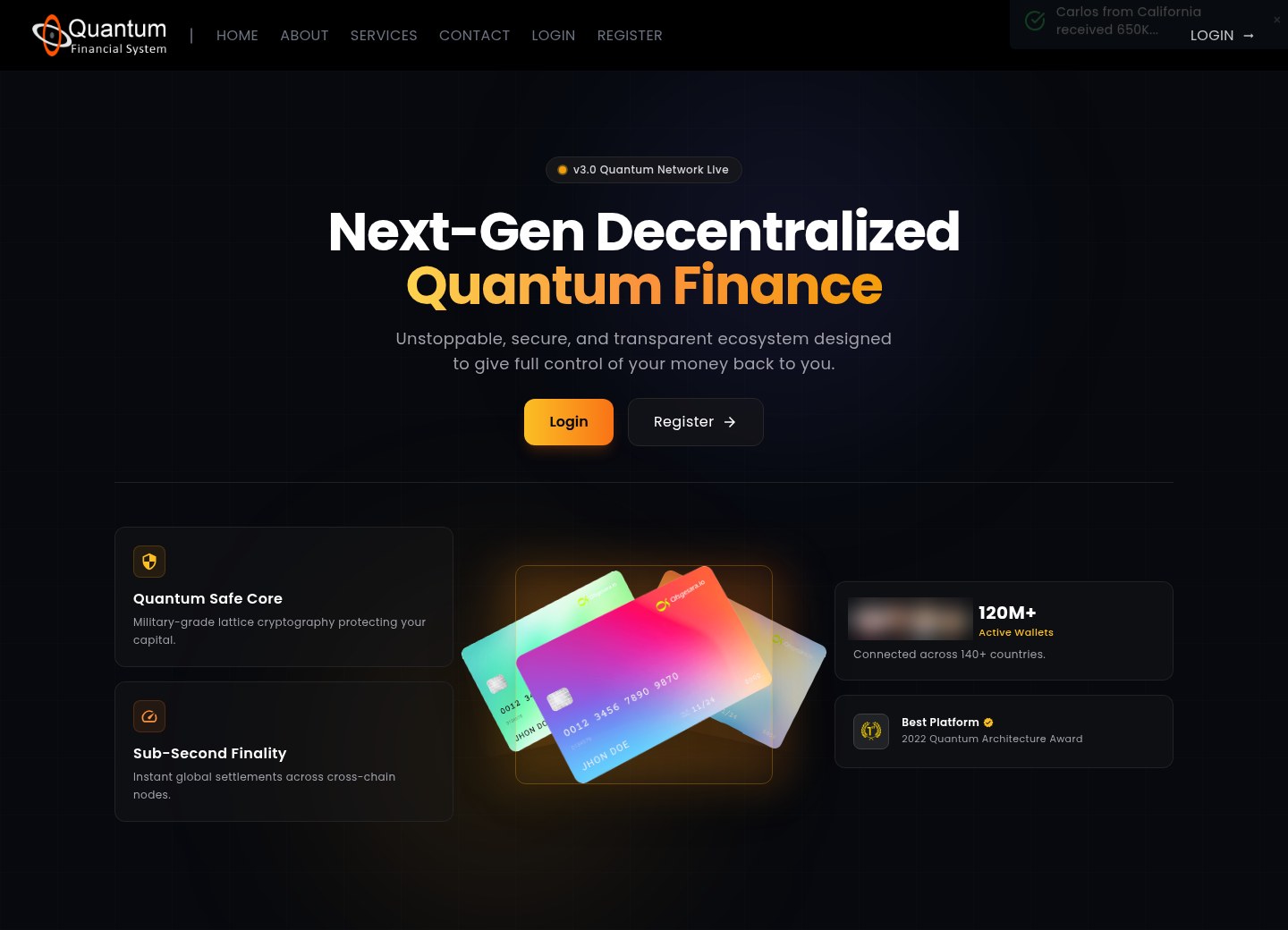 Crypto Wallet Recovery Phrase Theft ScamAdded 2026-10-21A website offers to back up, sync, protect or link your crypto wallet. To do it, it asks you to type in your wallet's recovery phrase (al...
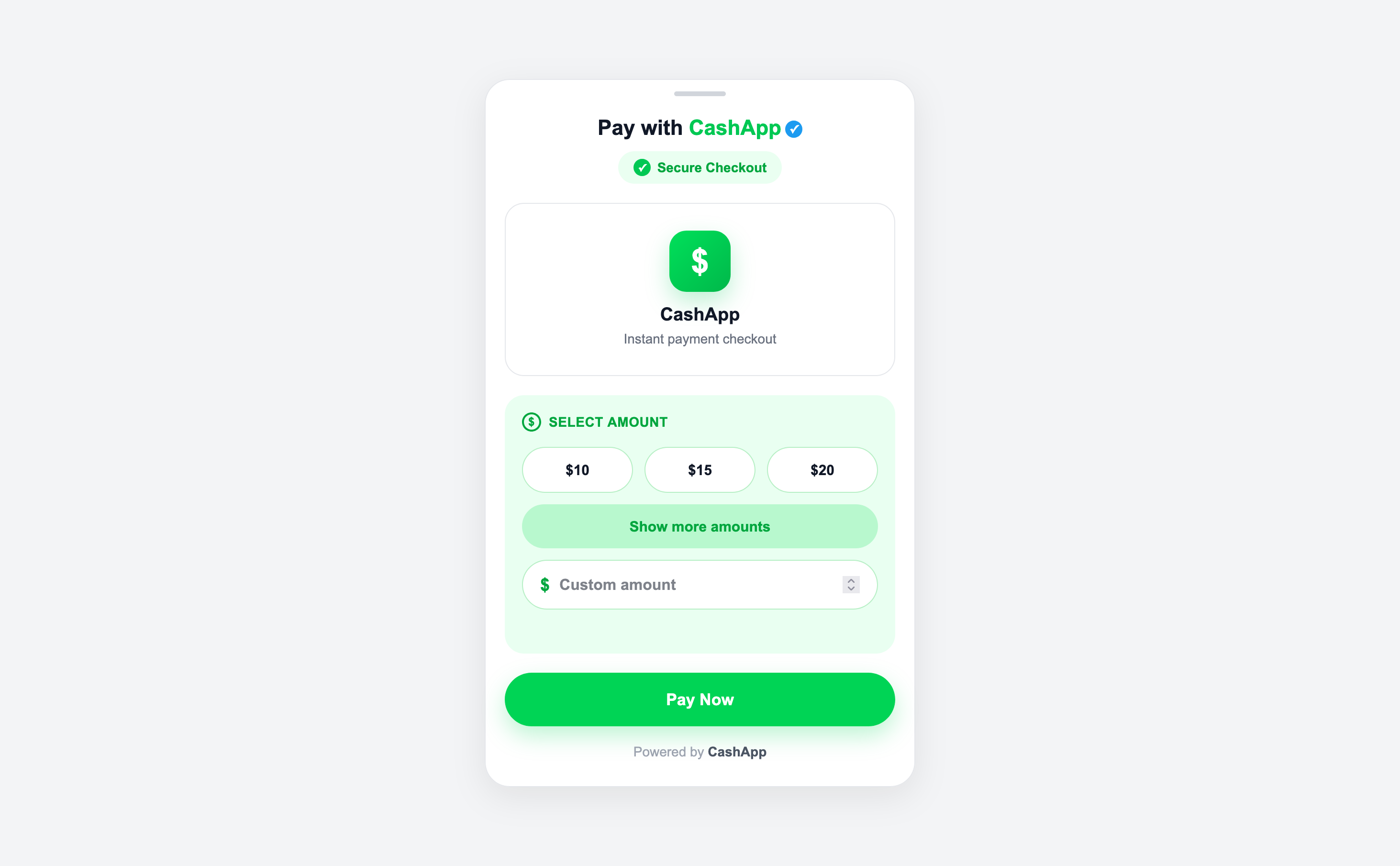 Fake Cash App Payment Page ScamAdded 2026-09-08A website copies Cash App branding and presents a payment checkout outside Cash App's official domain. It offers fixed or custom dollar a...
Recently added
Scam patterns added to the archive most recently.
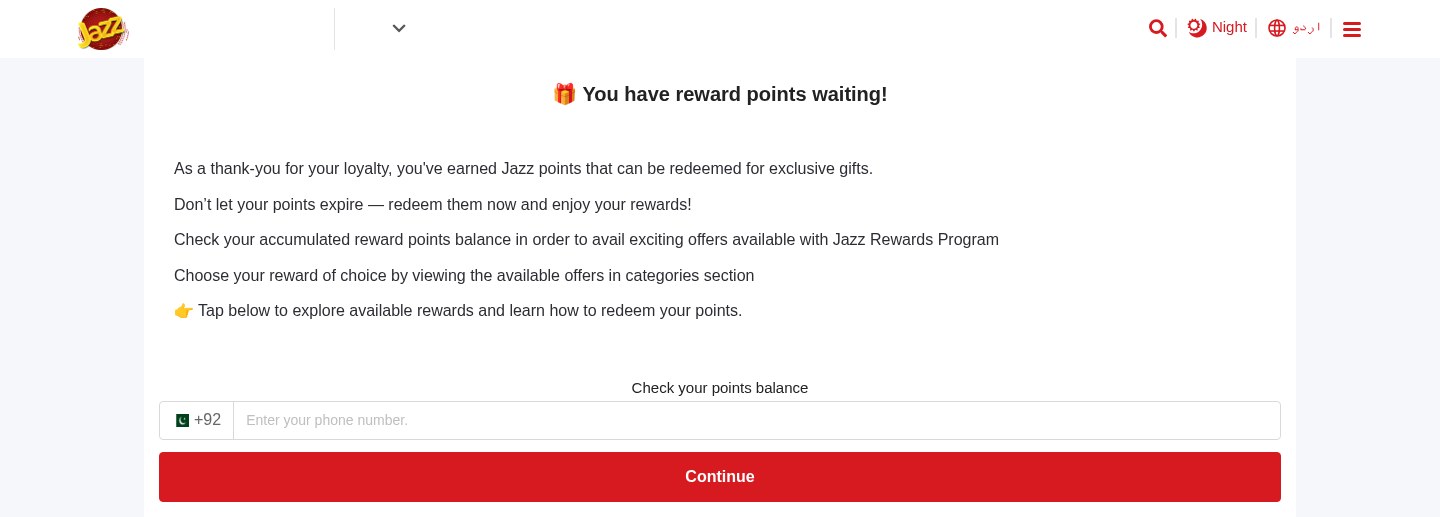 Expiring Reward Points ScamPhishing · Added 2026-10-22A web page uses the name and logo of a company you know, such as your mobile network or a fuel brand, and says you have loyalty or reward...
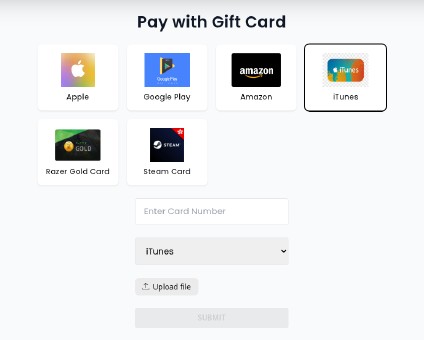 Fake Crypto Investment Platform ScamInvestment / Crypto · Added 2026-10-21A website looks like a crypto or investment platform. It shows an account dashboard with balances, investment plans with daily profits an...
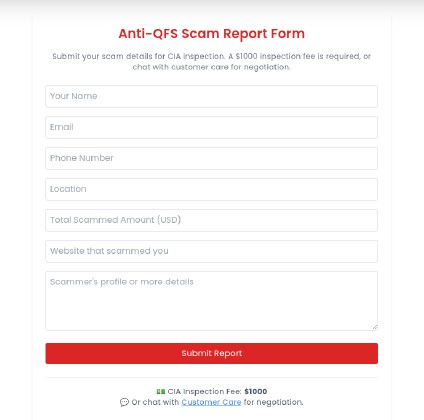 Scam Recovery Fee ScamAdvance Fee Fraud · Added 2026-10-21People who have already lost money to a scam are offered help getting it back. A website, message or caller claims to be an investigator,...
 Fake Online Vote Verification ScamImpersonation / Social Media · Added 2026-10-19A web page asks you to vote in a public contest, often for a child or young performer at a school, club or competition. It shows the fina...
Need help with a similar message?
Do not reply, pay, or use contact details in an unexpected message. Verify through the official app or website, then report what you saw so the Archive can connect related patterns.
Quick tip: Verify independently
Don’t call numbers or click links in unexpected messages. Go directly to the company’s official site or app and contact support from there.