Retailer Order Release Fee Scam
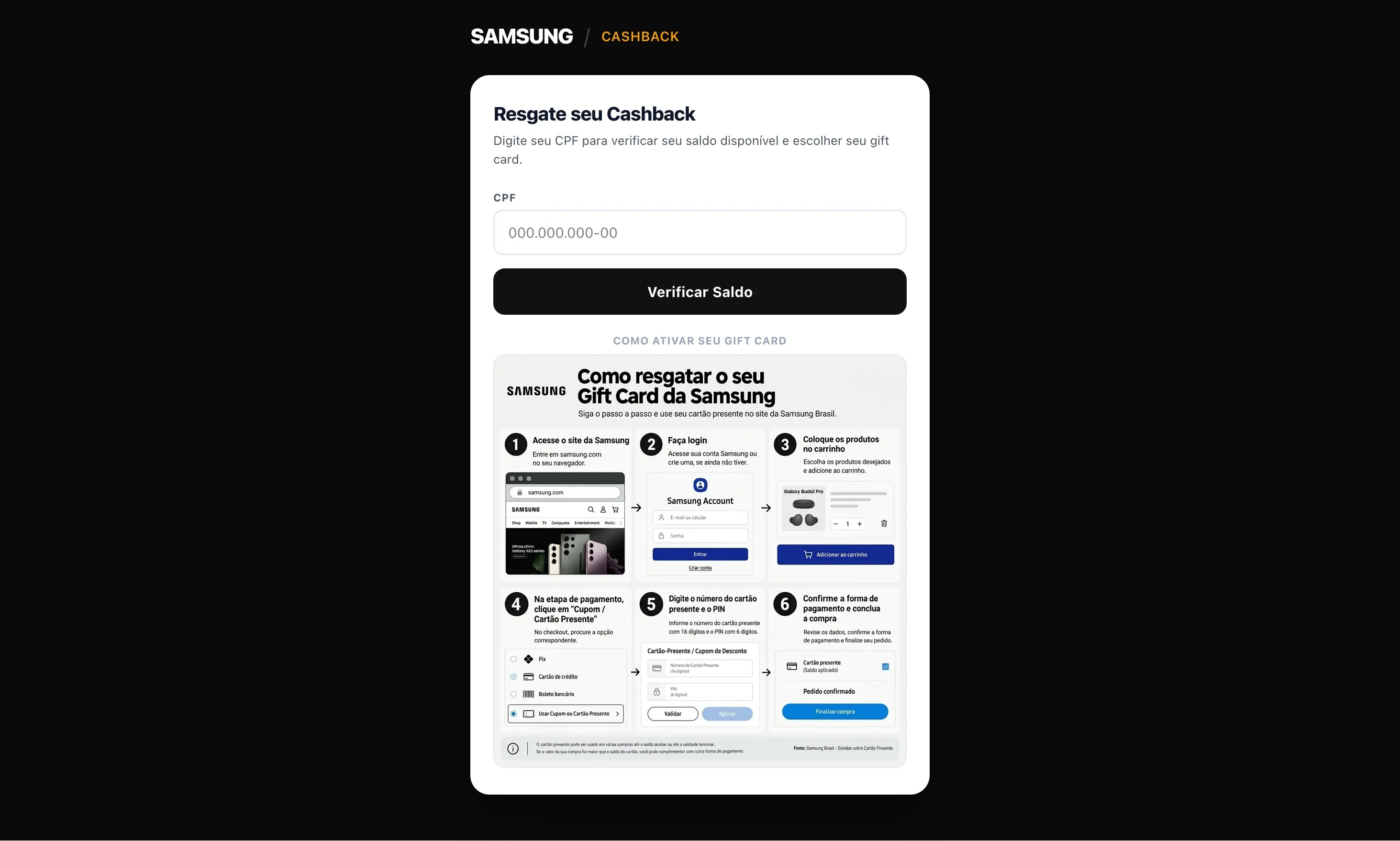
A website carrying the name and branding of a shop you have bought from claims to be holding your order. It asks for an identity number to look the order up, shows you an order or a store credit balance, and then asks for a small fee to release it: a delivery fee, a handling fee, insurance, or postage on a gift card. The fee is paid by instant bank transfer, which is hard to reverse. Nothing is released, because there is nothing behind the page.
How this scam works
- 1
Step 1: You reach a page that carries the name, logo and company details of a shop you have bought from, or believe you have.
- 2
Step 2: The page asks for an identity or customer number so it can look up your order. It refuses numbers it does not recognise, which makes it feel like a real system.
- 3
Step 3: It shows you an order, a delivery, or a balance of store credit waiting for you.
- 4
Step 4: To release it, you are asked for a small payment by instant bank transfer, often with a countdown or a warning that your parcel will be delayed if you do not pay.
- 5
Step 5: The payment goes through and nothing is released. The same site may then offer a second reason to pay, such as a cashback balance or a gift card.
✓ Do this
- Check the order in the shop's own app, or by typing the shop's address in yourself. A real parcel or a real credit will be there.
- Treat a request for your identity number followed by a small fee as the point to stop, whatever the page calls itself.
- If you have already paid, tell your bank straight away. Instant bank transfers are hard to get back, so speed matters.
✗ Avoid this
- Do not pay a fee to release a delivery, a gift card, a refund or a prize. The fee is the scam, and there is nothing waiting behind it.
- Do not use the link you were sent to check whether the link is real.
- Do not type your identity number into a page you arrived at from a message.
- Do not treat a convincing footer, a padlock, or the words 'secure' and 'protected' on the page as proof. Anyone can write those.
Different versions of this scam
1 example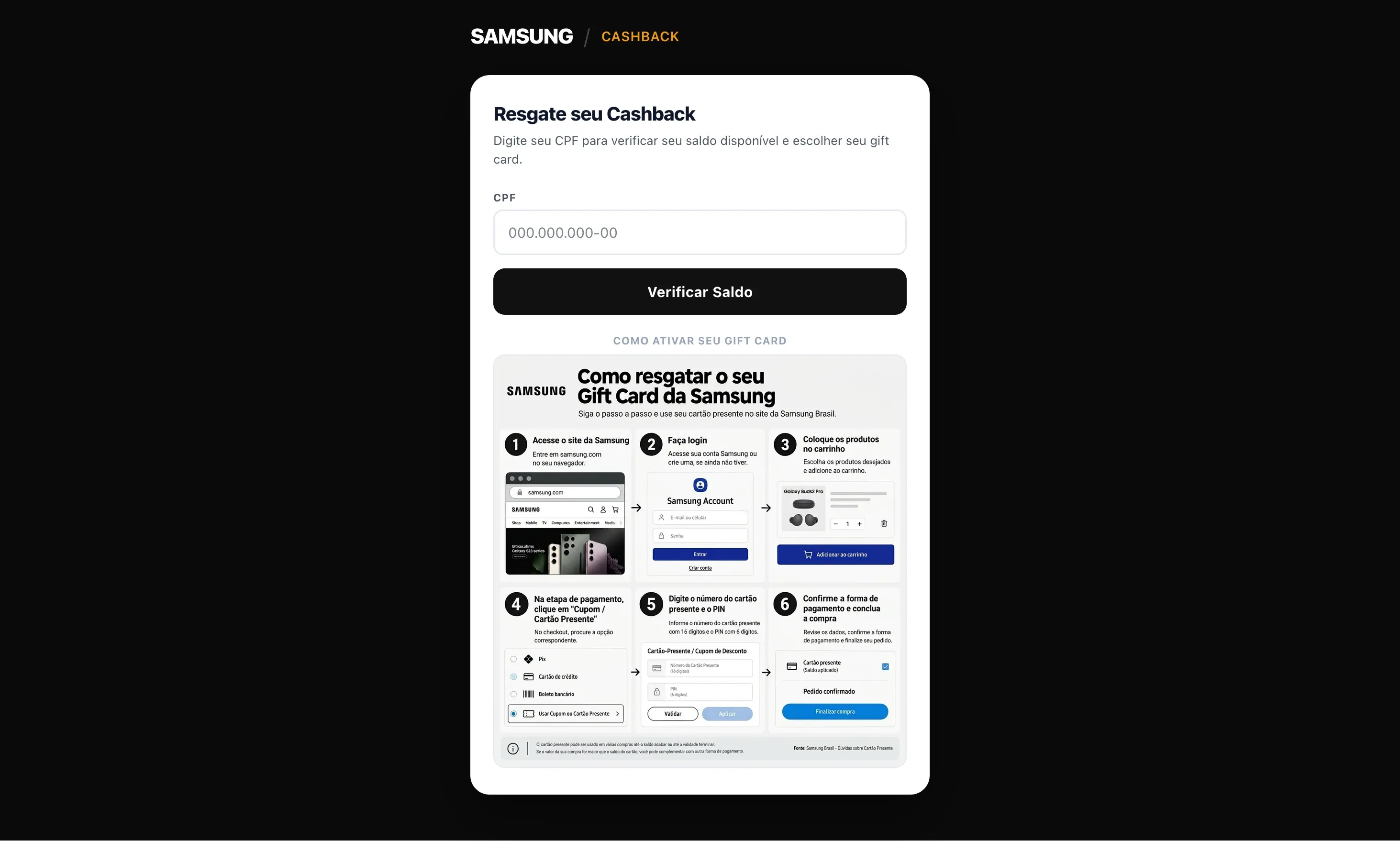
Need help with a similar message?
Do not reply, pay, or use contact details in an unexpected message. Verify through the official app or website, then report what you saw so the Archive can connect related patterns.
Quick tip: Verify independently
Don’t call numbers or click links in unexpected messages. Go directly to the company’s official site or app and contact support from there.