Fake Branded Online Store Scam
A shop that carries a well-known retailer's name and logo, on a web address that belongs to somebody else. It copies the wordmark, the colours and the footer closely enough to pass a glance, and often puts the brand's name into the address in a way that reads correctly at speed. The goods on sale usually do not match the real retailer. Because it is not the retailer's shop, anything given to it goes to whoever set it up.
How this scam works
- 1
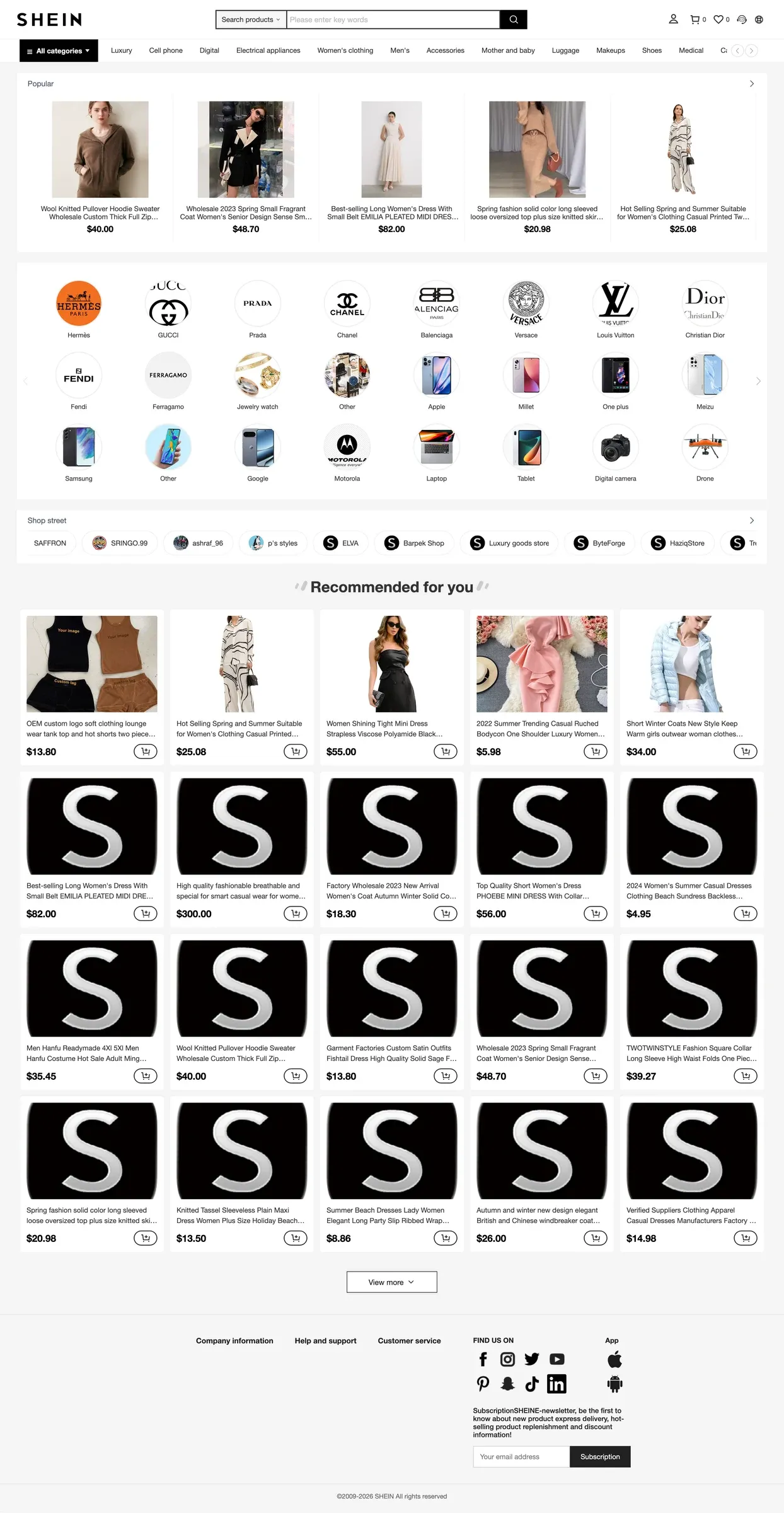
Step 1: A shop appears at an address that carries a familiar retailer's name without being that retailer's website. The name is often placed to the left of the real address, so it reads correctly at a glance.
- 2
Step 2: The page copies the retailer's wordmark, colours and footer closely enough to pass a glance, including a copyright line in the real company's name.
- 3
Step 3: The goods on sale do not match the retailer: a clothing brand's shop offering designer handbags, phones, drones or car parts, with product text scraped from wholesale listings.
- 4
Step 4: The site behaves like a normal shop. It offers accounts, a basket, orders and a customer service chat, which is what makes a shopper willing to type things into it.
- 5
Step 5: Anything entered goes to whoever runs the site rather than to the retailer, because the retailer has nothing to do with it.
✓ Do this
- Read the web address from the right. The real site is the last part before the first single slash, and a brand name in front of it is just a word somebody chose.
- Go to the shop the way you normally would, through its own app or by typing its address yourself, and see whether the same offer exists there.
- If you have already paid, tell your bank or card provider straight away and ask about a chargeback.
- If you reused a password on the fake shop, change it everywhere else you use it, from a device you trust.
✗ Avoid this
- Do not judge a shop by whether it looks right, or by a safety checker finding nothing wrong. A copy can be good enough to pass both.
- Do not assume a padlock or 'https' means a shop is genuine. It only means the connection is private, not that the shop is.
- Do not enter a card, an address or a password on a shop you reached from a link, before you have checked the address.
- Do not trust a brand's logo, a copyright line, or a long list of well-known names on the page. All of those are copied in a few minutes.
Different versions of this scam
1 example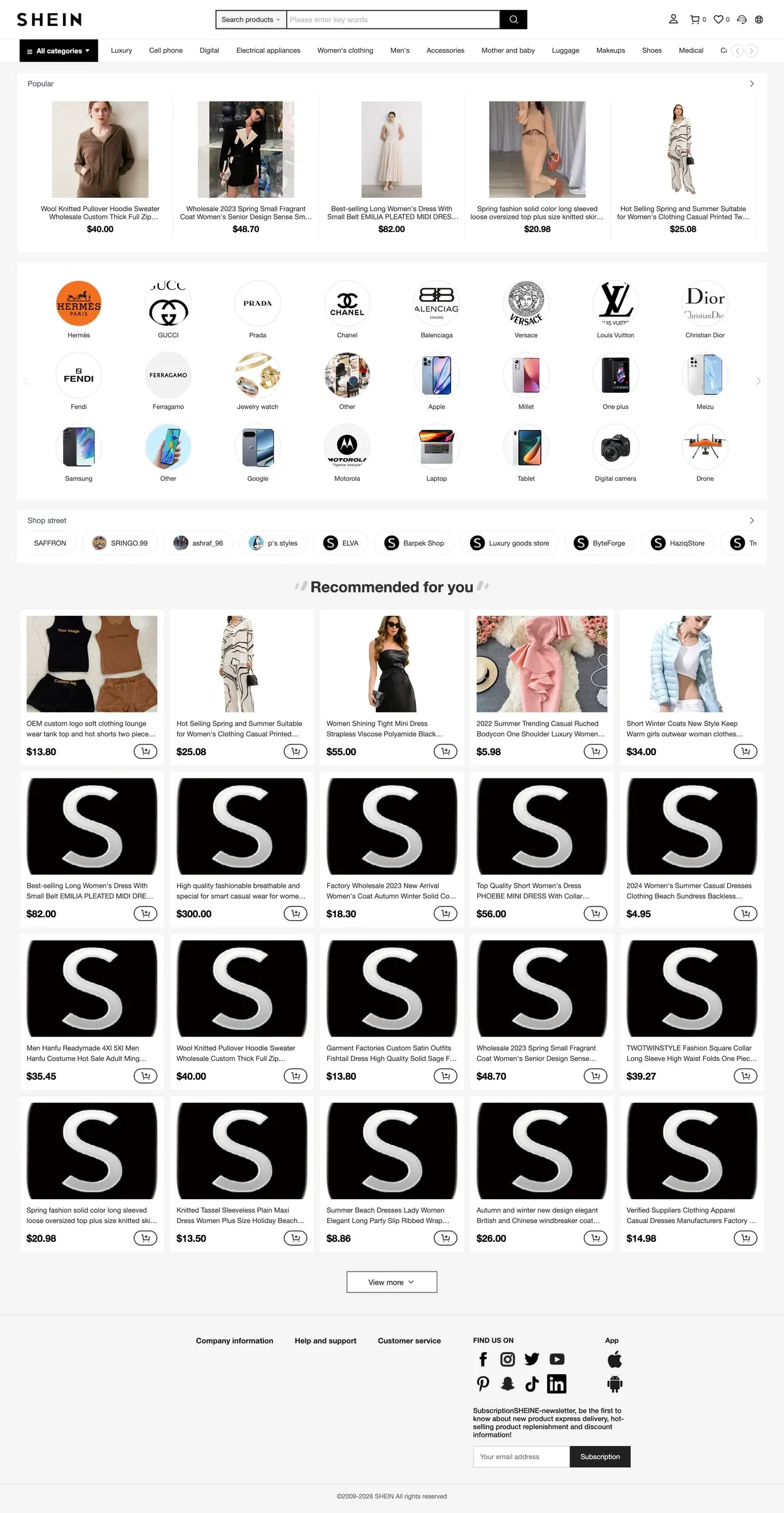
Need help with a similar message?
Do not reply, pay, or use contact details in an unexpected message. Verify through the official app or website, then report what you saw so the Archive can connect related patterns.
Quick tip: Verify independently
Don’t call numbers or click links in unexpected messages. Go directly to the company’s official site or app and contact support from there.